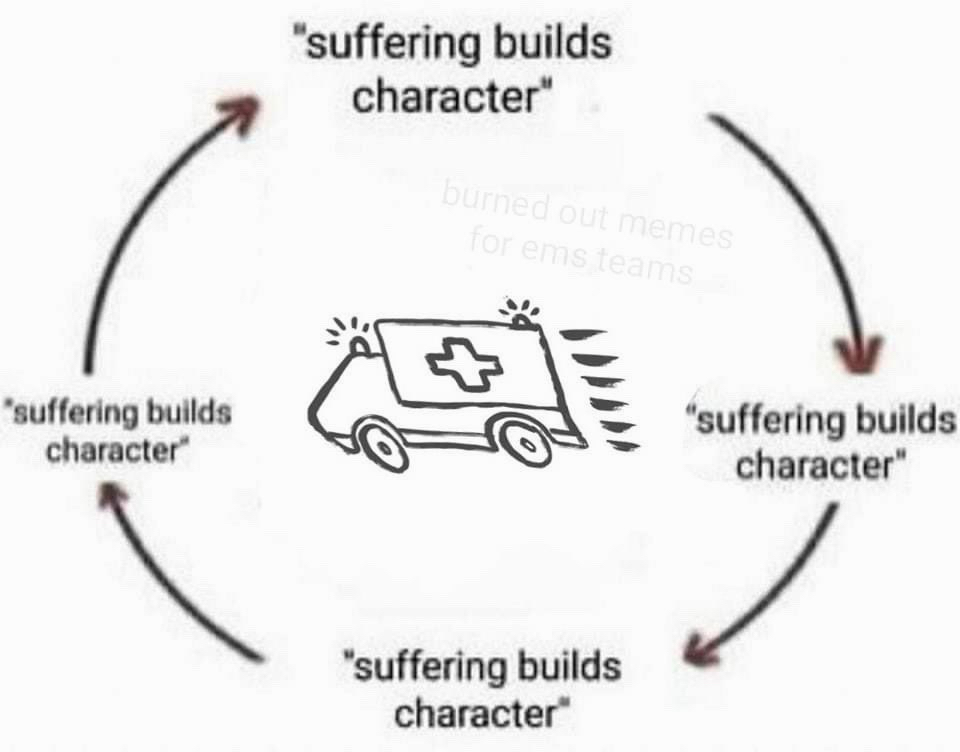
If you want to understand why EMS is falling apart in this country, stop pretending it’s because we’re “burned out” and start looking at the corporations that turned emergency medicine into a race to the bottom.
Corporate EMS companies like AMR and Falck don't just accidentally underpay their workforce. This wasn’t a mistake or an unfortunate side effect of a tough economy. It is a calculated business decision. Labor is the biggest expense in EMS, so they cut it as hard as they can and call it efficiency.
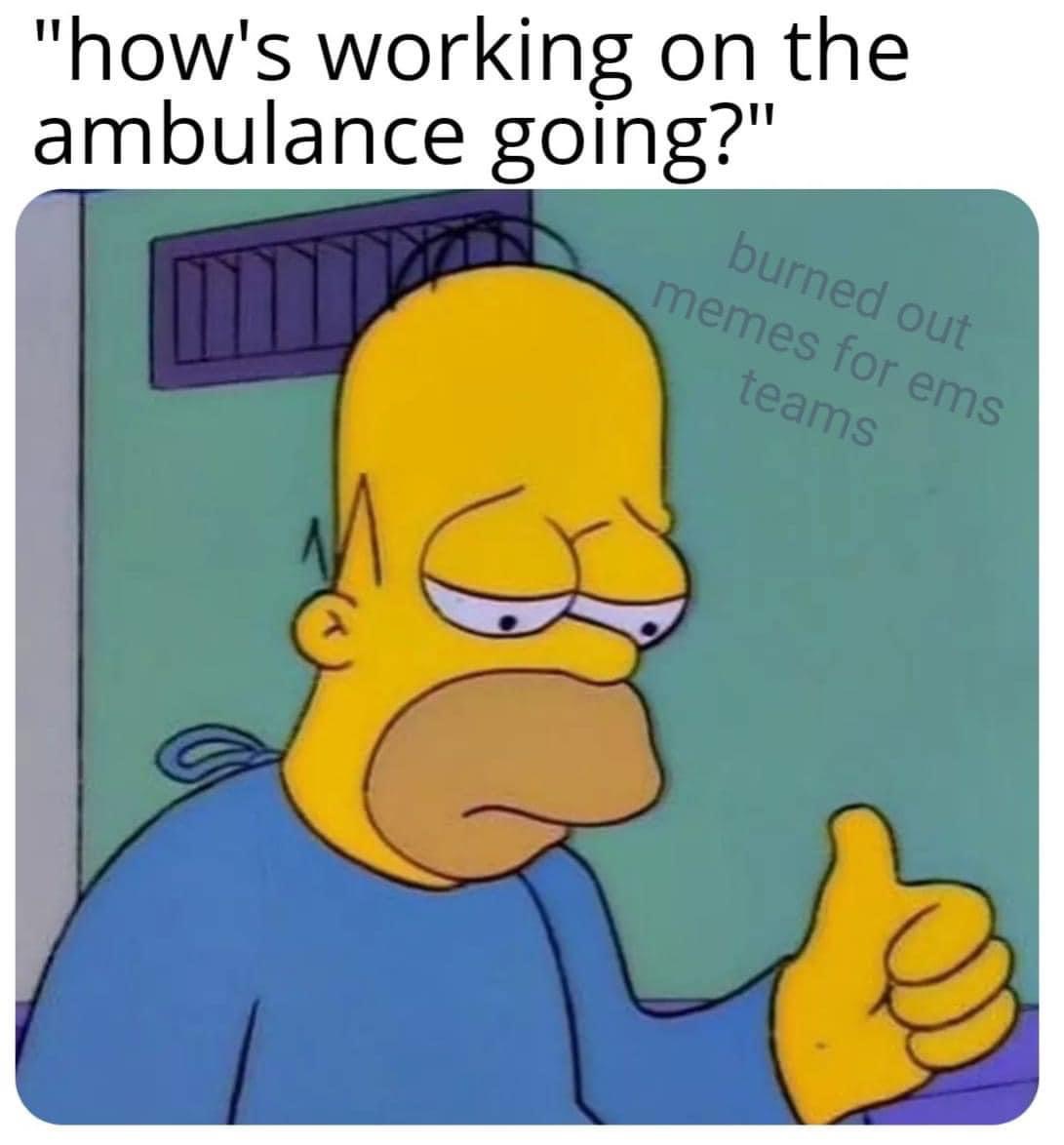
The average EMT in the United States makes about $19 an hour, roughly $40,000 a year. That’s the pay for lifting bodies, dodging traffic in the middle of the highway, doing CPR on kitchen floors, managing overdoses, shootings, car wrecks, strokes, heart attacks, and everything else the public never wants to think about until it’s happening to them. That wage doesn’t cover rent in most cities, let alone healthcare, student loans, childcare, or the long-term physical and mental damage this job guarantees.
Corporate EMS knows this and keeps doing it anyway.
They win massive 911 contracts by underbidding everyone else, promising cities they can deliver emergency care cheaper than the competition. And the only way to do that is by squeezing workers. Low base pay. Mandatory overtime. High turnover treated as acceptable because new providers are way cheaper than experienced ones.
This system runs like a factory, churning providers in and out. People come in hopeful, get wrecked, and leave. Experience walks out the door every year, and corporate leadership shrugs because it still works.
When EMS is understaffed, response times go up. Units stay tied up longer. Crews hold the wall waiting for a bed. ED nurses and techs take the brunt of increased patient loads. Doctors get sicker patients later in their disease process. The entire hospital system gets slammed harder because the first link in the chain is weak by design.
Cut EMS and you don’t save money. You just shove the consequences downstream.
Corporate EMS thrives in an environment where federal oversight is weak and our voices are easy to silence. When advisory councils that represent EMS workers get cut, when labor protections stay flimsy, when healthcare policy is written without the people actually doing the work, corporations benefit. Workers and patients get fucked.
The recent elimination of the National EMS Advisory Council is a perfect example. That council existed so EMS professionals could advise the federal government on workforce issues, training, and patient care. Killing it didn’t hurt AMR or Falck at all. It hurt the people on the truck and the people in the back.
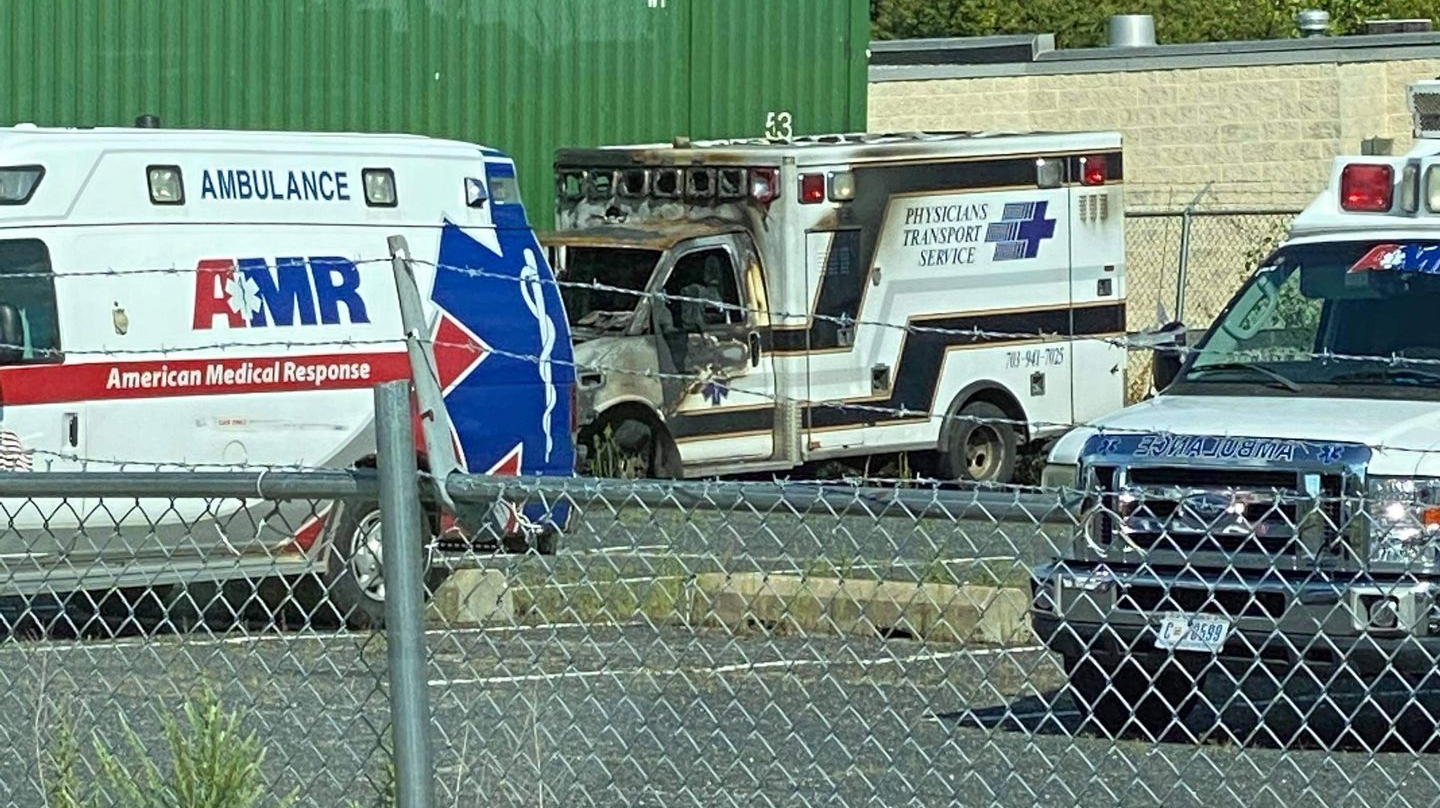
A burnt Physician's Transport Service ambulance, a small company that AMR bought out.
Corporate EMS loves to brand itself as public safety. But public safety doesn’t look like paying providers poverty wages. It doesn’t look like normalizing exhaustion, trauma, and unsafe staffing. It doesn’t look like treating human beings as disposable inputs in a profit model.
We don’t need pep talks or pizza parties. We need livable wages, safe staffing, and real power in the systems we hold together every day. Hospital workers need the same. Patients deserve better than a healthcare system built on burnout and denial.
If you’re wondering why ambulances are harder to find, why ERs are overwhelmed, why response times keep creeping up, don’t blame the EMTs who keep showing up anyway. Look at the corporations that hollowed this system out and the political environment that let them do it.