
The Hill District of Pittsburgh had a serious problem in the 1960s. While ambulance services were poor across most of the city, service was non-existent in the predominantly black Hill District. Despite its location near downtown, the private ambulance services of Pittsburgh did not go into the Hill District. Instead, the police would pick up patients and provide them with no medical care on the way to a hospital. As Dr. Martin Luther King Jr. led marches and gave speeches throughout the country (he even spoke in the Hill District in 1956) the need became obvious for an independent medical service to provide coverage to the Hill District
To be sure, medical service wasn’t the only issue that faced the Hill District. Racial discrimination in hiring practices helped cause high unemployment as well. In response, residents created Freedom House which was initially a jobs training program to help lower the unemployment rate in Hill District. An article about their grocery delivery services in the local paper caught the eye of Phil Hallen who headed the Maurice Falk Medical Fund, a civil rights organization that sought to fight institutional racism in healthcare.
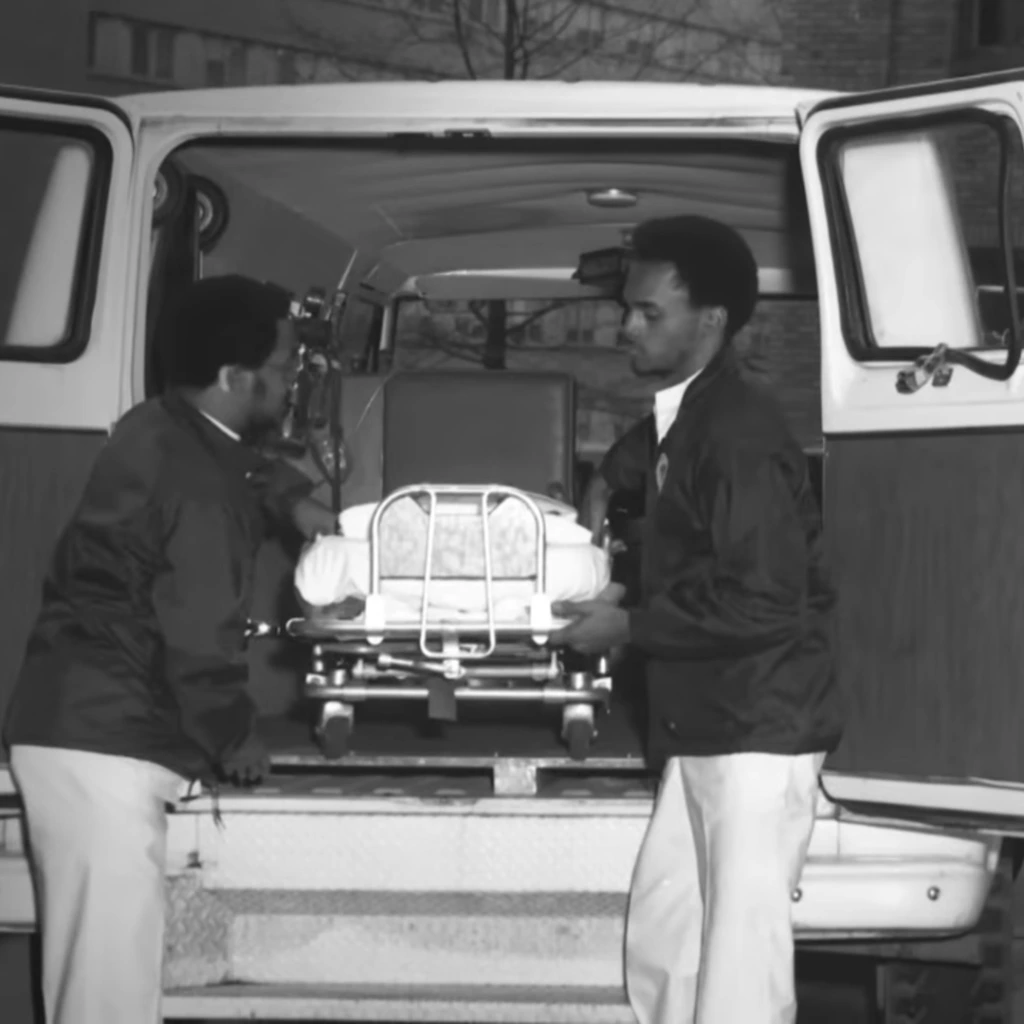
Phil immediately saw an opportunity to create an ambulance service focused on the Hill District in partnership with Freedom House. He approached a well known doctor named Peter Safar from the University of Pittsburgh about his idea. As it turns out, Dr. Safar had long known about the inadequacies of pre-hospital care that permeated even the private ambulance services of the day. He immediately lent a hand to help create an ambulance service for Hill District that would far surpass the private ambulance services of white neighborhoods.
The end result was Freedom House Ambulance Service. Dr. Safar and Phil Hallen created a new type of ambulance service that wasn’t only focused on transporting patients to the hospital, but also on applying a high level of care to patients while in transit. All Freedom House Ambulance Service employees were young black men from the Hill District and they underwent 300 hours of training from Dr. Safar.
At its peak, Freedom House Ambulance Service answered 6,000 calls a year and achieved national recognition for their successful model in combating pre-hospital mortality. However, they also faced intense backlash from the mayor of Pittsburgh for daring to be too successful. The city eventually replaced them with their own EMS service that copied their model, but did not hire their workers into roles in which they provided care; instead they were replaced with new white hires.
What lessons can we learn from the success of Freedom House Ambulance Service? The first is that there is great power in a community that organizes to help itself and provide services that the government is unwilling or unable to provide for them. Freedom House Ambulance Service began as a jobs training program that sought to help Hill District in a variety of ways - this simply emerged as one of the best ways they could do it. The second lesson is to dare to dream bigger (and to look for the allies that will enable you to.) Phil Hallen could have settled for creating a standard ambulance service of the day that would simply get you to the hospital as fast as possible. This would have already been a massive improvement in the prehospital space in Hill District. Instead, he sought out an ally in Dr. Safar who ultimately helped him create an ambulance service that became a model for others to emulate throughout the country.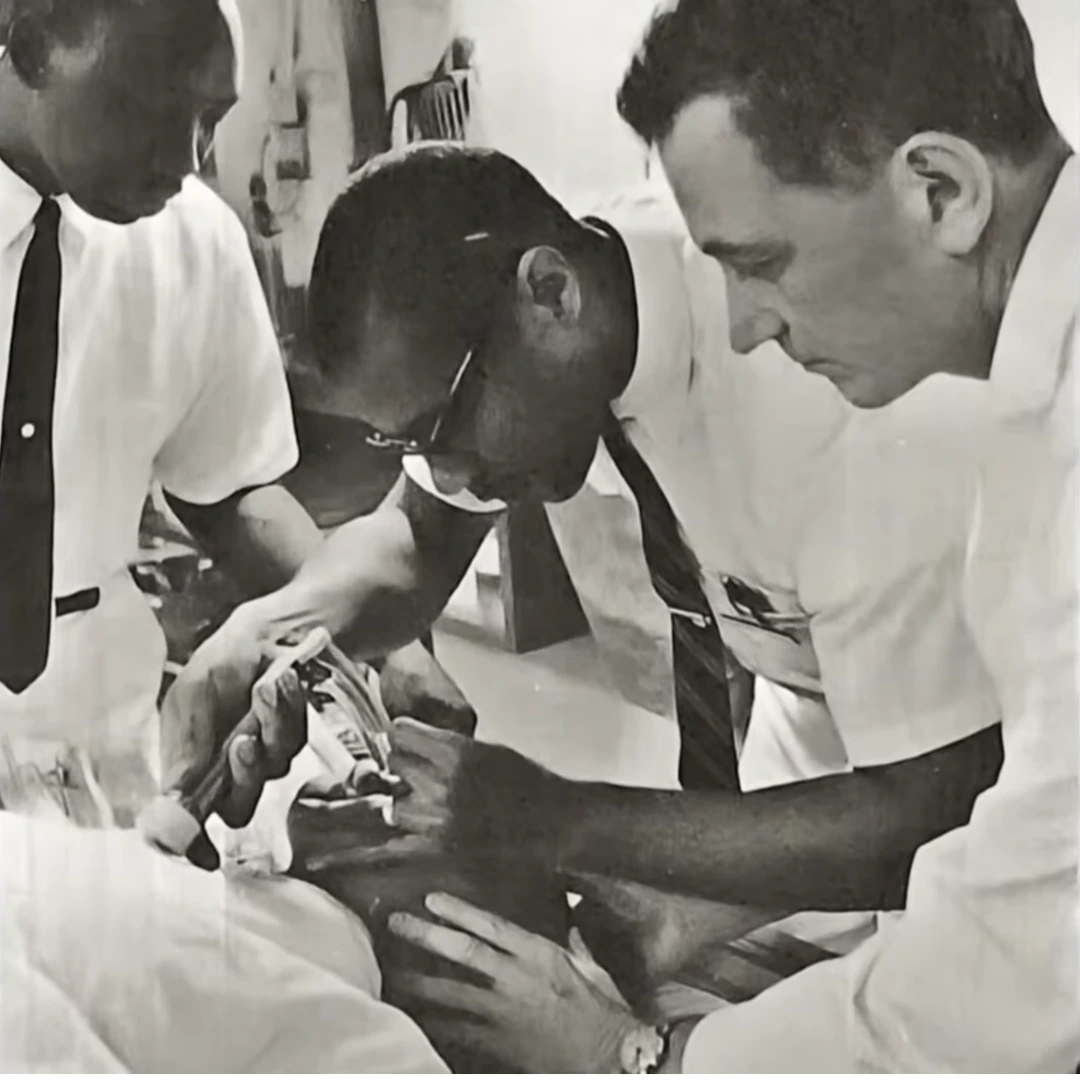
Modern street medicine seeks to emulate and learn from Freedom House Ambulance Service in a number of ways. The first parallel is that modern street medicine seeks to provide care in areas that are hard to reach even for ambulances such as in the middle of a protest. The second is the recognition that time is precious in emergency situations. Dr. Safar estimated that Freedom House Ambulance Service saved an extra 200 lives in one year in Hill District alone by providing medical care faster than one could receive it at a hospital. Sometimes though, an ambulance will not be able to reach a patient in time. In those cases, even more lives can be saved by someone who is carrying Narcan and tourniquets or someone who knows CPR.
Though it was in service for only 8 years, Freedom House Ambulance Service continues to inspire community engagement and service to this day. It’s worth remembering and honoring their work.
https://magazine.atavist.com/2019/the-first-responders-paramedics-pittsburgh-civil-rights-ems
https://99percentinvisible.org/episode/405-freedom-house-ambulance-service/